A Survival Guide for Streetwear Brands
Being a clothing manufacturer myself, here’s what I think happens when you don’t handle the situation as a professional. The truth is shady manufacturers aren’t always outright scammers — they just cut corners when you let them. Below are 7 rules that are going to change you from a “beginner” to a “respected professional.”
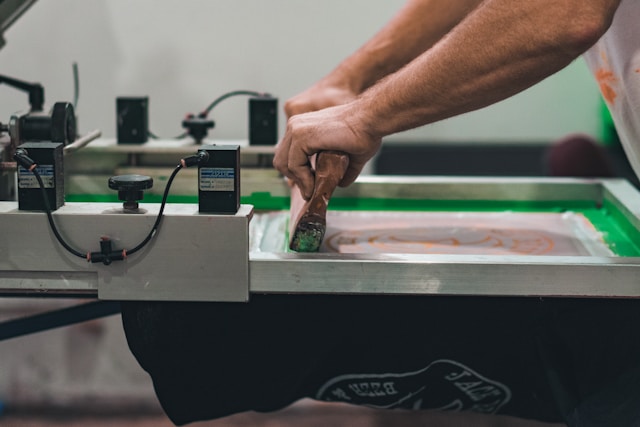
1. Always Request a Sample Print Even if You Pay for It
When you’re building a brand, your prints are your voice, and low-quality prints mean losing a repetitive customer. A sample saves you a lot of hazard later; it isn’t a luxury. It’s insurance.
If your manufacturer can’t deliver one good piece, why trust them with bulk orders?
No sample = no bulk order. Period
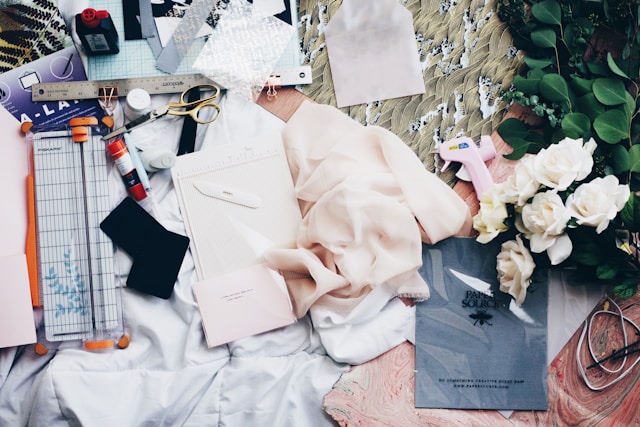
2. Give Visual Proofs Not Verbal
Give them:
- Mockups Show them visual representations of your ideas. It sounds harsh, but they can’t read your mind with just words. Mistakes are certain when things are undiscussed.
- Colors Give them exact color References or Pantone codes, whether it is a sublimation print or any other type of printing.
- Sizes A lot of new brand owners don’t know that even in their own countries there are multiple size charts. So have a minute or two to go on Google and find the most accurate size chart for your region. And make sure to send them that.
Leave no room for “misunderstandings” or clever excuses.
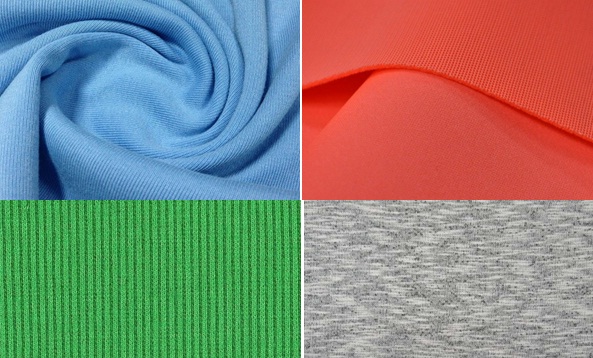
3. Be Fabric-Specific or Prepare for Disaster
Some brands focus on their designs more than the fabric that’s going to be the main goodwill of your brand. Ever noticed why most high-end luxury brands keep their products clean and simple? Because it’s the material that makes people feel the luxury, not the prints. Also, print quality suffers on bad fabric. That buttery-soft print? It won’t survive on a paper-thin tee.
Lock in fabric specs like:
- The fabric should be at least (180 GSM) 100% cotton for the best feel or (80% Cotton/20% Polyester) blend for durability
- 5% lycra blend (if needed for stretch)
Be as precise about fabric as you are about your artwork.
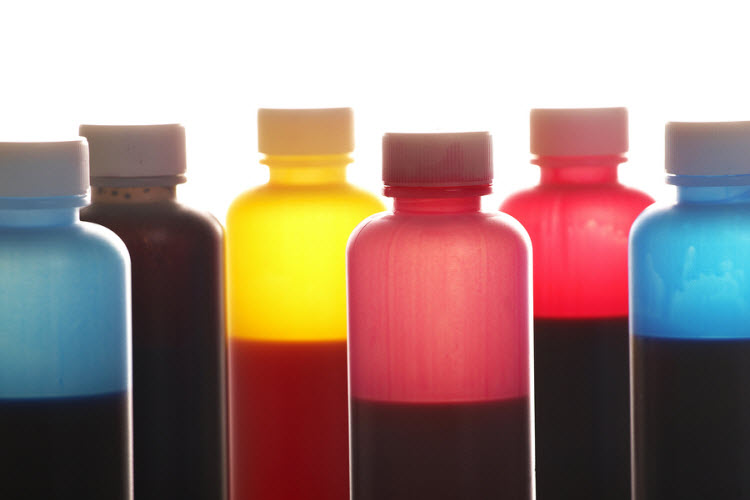
4. Know the Inks They’re Using
Ask this upfront:
“Is this plastisol, water-based, or discharge?” (I will soon write about types of inks too, so make sure you stick with us.)
Each ink behaves differently. You’re paying for more than just color you’re paying for feel, stretchability, breathability, and wash durability.
5. Set a Crystal-Clear Approval Pipeline
No blind trust. Build a process:
Digital mockup → Physical sample → Final approval
Make sure to have all the necessary changes in the mockup, then move for the sample. If your manufacturer is asking you to move forward without clearing out the mockup, say a clear NO.
Likewise, If you agreed on samples without shipping, make sure to get high-quality clear photos and videos of the sample from the manufacturer. Don’t start bulk orders until you’re satisfied with the sample results. Ask them to show closeup shots of the fabric or stretch the fabric in the video just to get an idea of the fabric quality and feel.
No bulk production unless you greenlight every step. Get it in writing.

6. Apply Strategic Pressure With a Smile
Let them know you’ll post a review, good or bad, on:
- Trustpilot
Reputation is currency. When they know you can affect theirs, quality goes up.

7. Build a Relationship, Not a War
Respect gets better results than aggression.
Be firm. Be clear. Be professional.
And over time? You’ll get better prices, faster turnarounds, and priority service. Even during their busiest seasons.

Final Thought
Most manufacturers can deliver premium results, they just won’t until you show them you’re a premium client.
Manufacturers respect you and your brand values when you show them how organized and serious you are about your brand.
Be organized. Be detailed. Be respected.